 Image 1 of 4
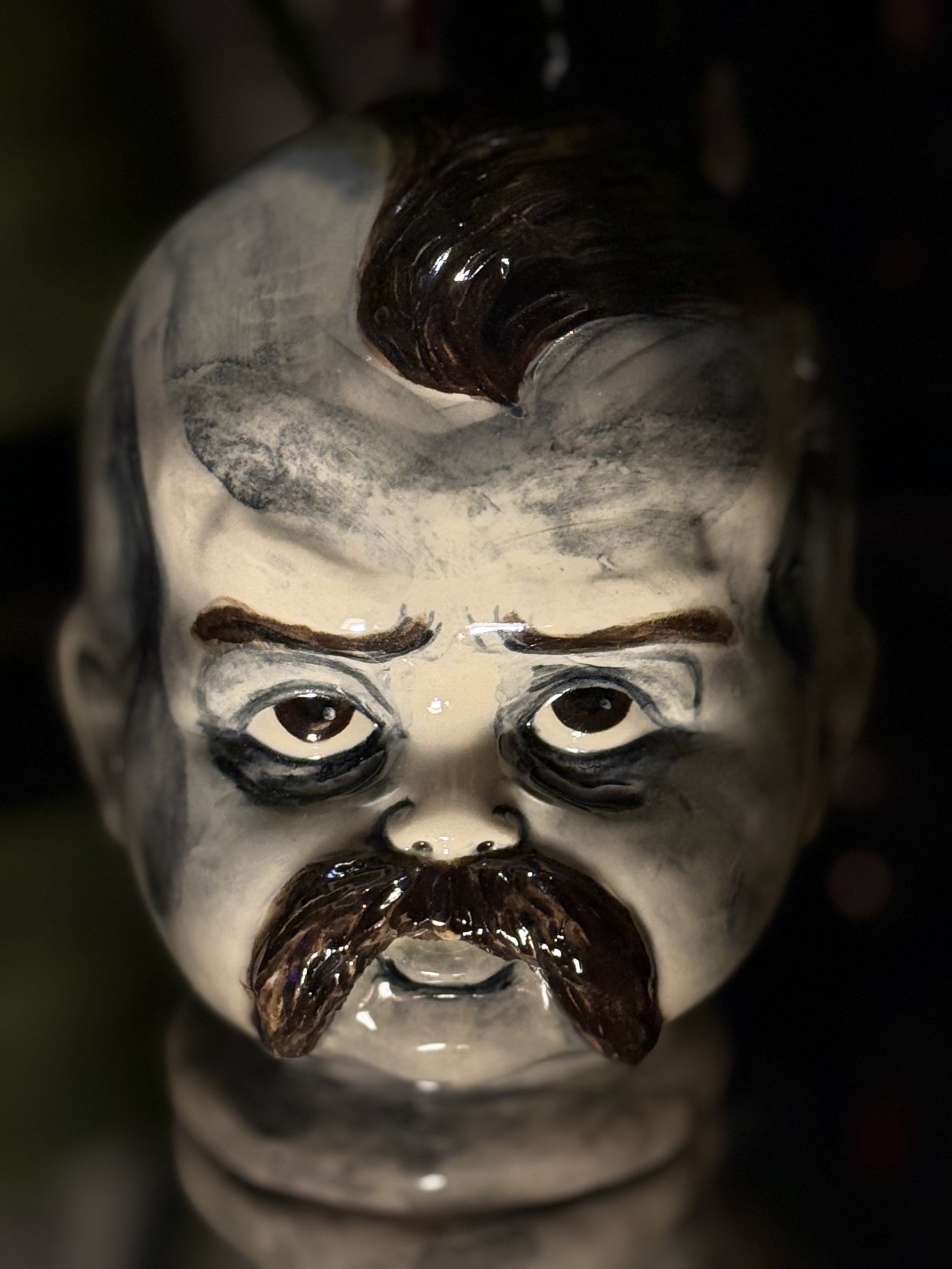 Image 2 of 4
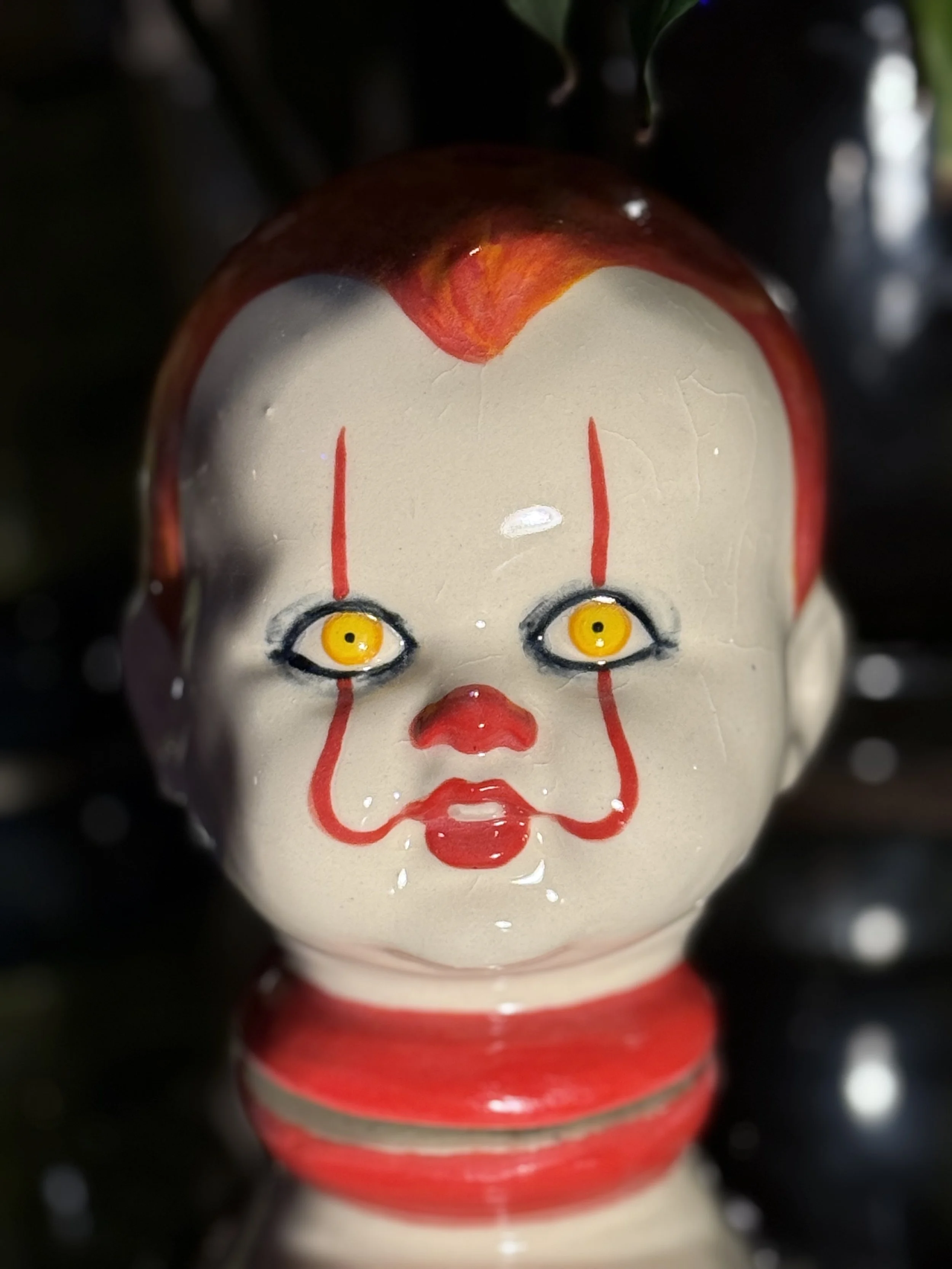 Image 3 of 4
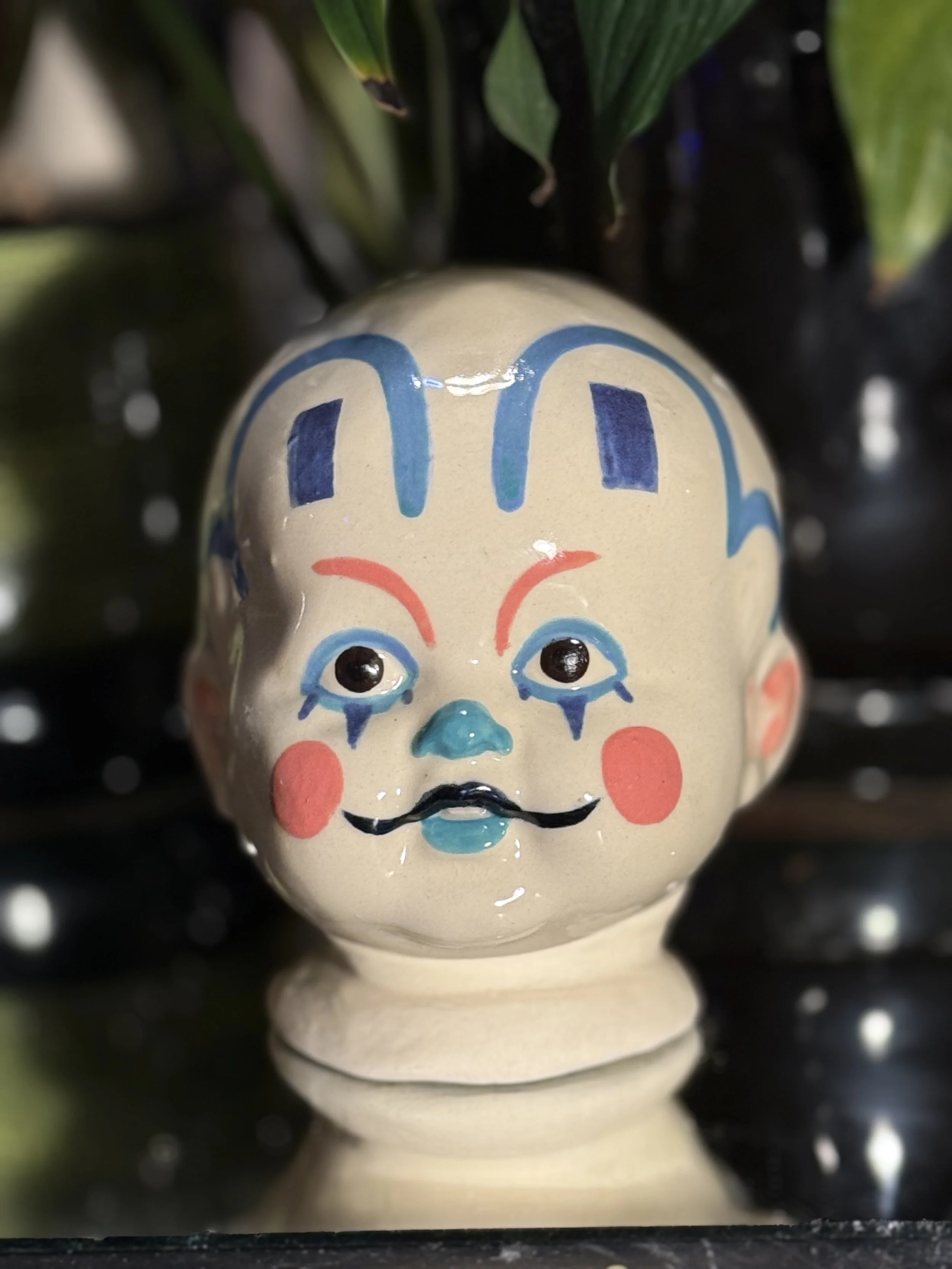 Image 4 of 4
MONEY BANKS
YOU MUST BREAK THESE TO GET THE MONEY OUT.
IF YOU DON’T WANT TO READ THE DISSERTATION BELOW ON MONEY AND ART
ALL YOU HAVE TO KNOW IS: MONEY GO IN, TO GET OUT - SMASHY SMASHY, SEND ME THE PIECES BACK, I STICK THEM BACK TOGETHER WITH MAGIC.
MONEY MONSTERS
“While the price tag associated with it is hard to calculate, considering it is deemed priceless; the estimated cost for the Mona Lisa price is approximately $860 Million.”
How does one “value” art? The entire concept is murky, subjective, possibly nothing more than a money laundering scheme for the uber wealthy. An object sold by an unknown artist for a certain price may someday be “worth” much more, depending on the trajectory of that artist’s career. Or perhaps it will end up worth far less, sold for a few dollars at a Goodwill store.
What dictates the concept of value in relation to art? When buying art, some do so because they see an object of desire and wish to possess it. Others view it as an investment of sorts, hedging their bets that the object may increase in value and become an asset. Gambling, or depositing their wealth into an object rather than a bank account.
Again, it is all subjective. The object stays the same--the value of it fluctuates.
One thing also remains true. No matter what the “value” of the object is or becomes, there is no way for you to access that value unless you part with the object. You can have the Mona Lisa, or you can have $860 million dollars to spend--you cannot have both. You cannot access the “value” without relinquishing the object. Having your cake versus eating it, as they say.
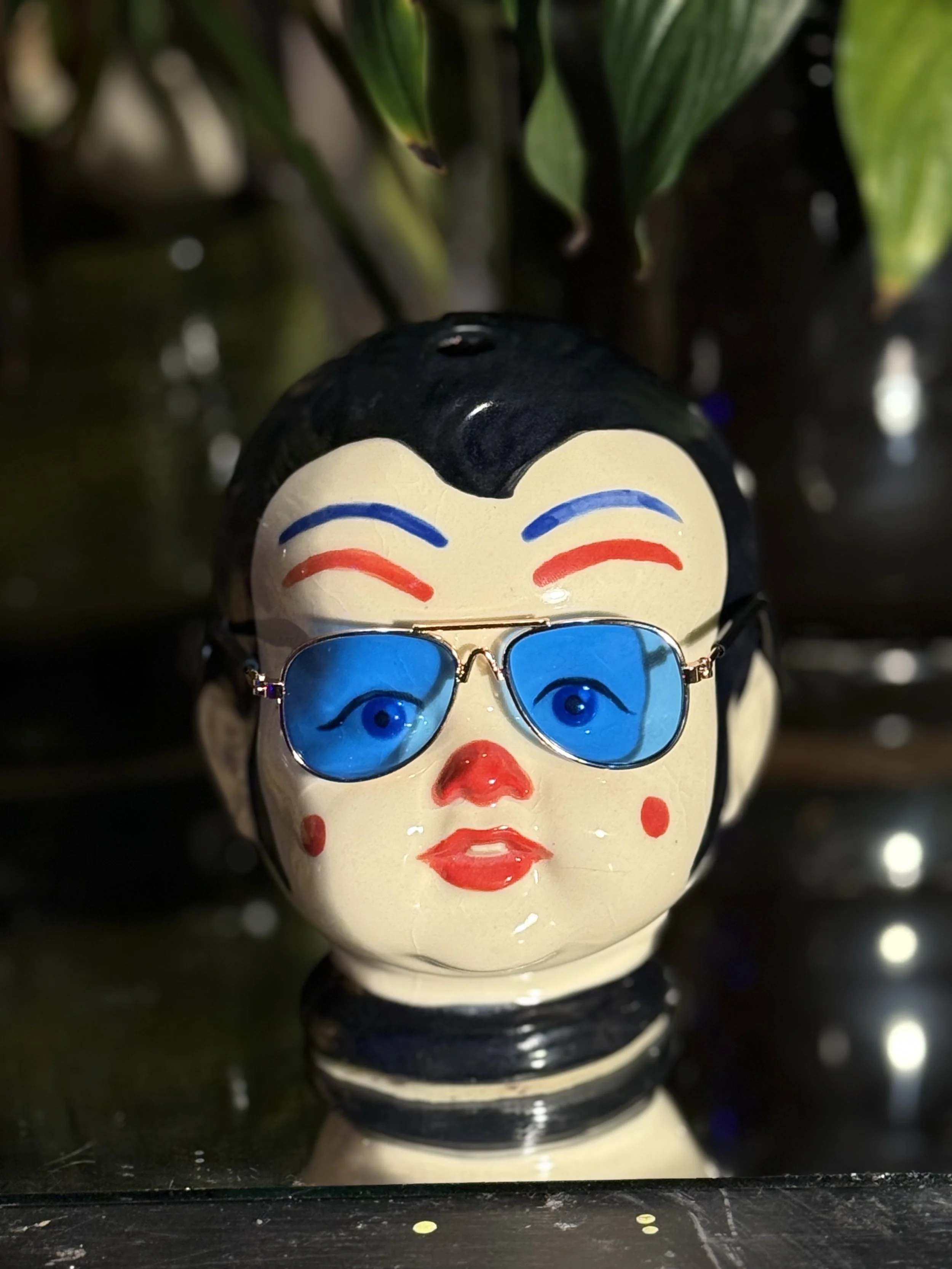
These money monsters are my exploration of these concepts. Unlike objects floating around the art auctions, subject to increases or decreases in value based on market predictions on the Wall Street of wall hangings, these piggy banks literally increase in value in a tangible fashion, as you deposit your cold hard cash inside them. They become “worth” what you put into them. You dictate their value. As an investment, its worth increases over time, as you slip dollar after dollar into its mouth.
But, like the Mona Lisa, you can’t access that worth without relinquishing ownership. The only way to get the money back out is to smash the monster open. So what is better? Possessing the object, or accessing the value? Is art to be appreciated for what it is, or only meant to be a placeholder for a financial deposit?
You have purchased this money monster directly from me, the artist. That transaction is now complete. It is now “worth” whatever you can get someone else to buy it for, but let’s say it’s worth nothing right now. It is just porcelain made into a shape, really. If you choose to add money into it, it becomes worth what it contains--the money inside it, which you can’t get back out unless you break it, an act that would render the object truly worthless. Just a pile of shards.
Maybe my artist’s star rises, and I gain some notoriety that makes my work increase in value. Perhaps then, some art collector would be willing to pay you more than you paid me to acquire the object from you. Its subjective worth increases. You made a smart investment, which you can either cash in on or hold onto in hopes that it continues to increase. But still, you cannot access this “value” unless you give the object up.
Maybe both our stars rise, and you never need that money, or the money that you fill it with. You now have an object of desire filled with tangible value and imbued with subjective value, and it just sits on a shelf and you look at it time to time and think about how rich we both are. You take your monocle off and polish it. The piece is unbroken and remains so, a testament to our good fortunes.
“Oh, but I could NEVER break it,” you say. “It’s art.”
But... then you need some dental work, and it’s full of bills and there’s probably a decent amount in there, and it’s an emergency. It IS a piggy bank, and it was designed to be broken into. It won’t be easy, so its great if you have a hard time saving your money. It’ll really make you think about it, it’ll make you wonder if you really need the money that bad, or if there might not be another way to get it. But, I guessed the day you needed to break the bank open would probably be a hard day for you. If you’ve been rolling the bills up nice and tight before sticking them in his mouth, that hard day will be made a little better when, upon smashing his head in with a hammer, the monster explodes in an unfurling of bills. Like a money firework.
And, since I don’t like unhappy endings, and don’t want the story of the money monster to end with “then your possession was destroyed”... put the hammer away, look for something inside the head, then pack up all the pieces and return them to me. I will repair the piece using the ancient Japanese technique of kintsugi, which means it will be “healed” with golden cracks all over it. Which will look very interesting, I think.
When your piece is eventually returned to you, there will be no second repair (unless you do it yourself), and at this time I suggest using the head to hold SECRETS. You know, write down things you want to get off your chest, and make the monster eat them. Or maybe especially happy memories, or really sad ones, and make it a time capsule of sorts. Mention it in your will, instruct your favorite grandkid to break it open after you’re gone, leave them with a bunch of unanswered (or answered) questions.
The final, golden ending of the story is that nothing is beyond salvaging. Objects are precious if you treat them as such, and Value is what you make of it.
YOU MUST BREAK THESE TO GET THE MONEY OUT.
IF YOU DON’T WANT TO READ THE DISSERTATION BELOW ON MONEY AND ART
ALL YOU HAVE TO KNOW IS: MONEY GO IN, TO GET OUT - SMASHY SMASHY, SEND ME THE PIECES BACK, I STICK THEM BACK TOGETHER WITH MAGIC.
MONEY MONSTERS
“While the price tag associated with it is hard to calculate, considering it is deemed priceless; the estimated cost for the Mona Lisa price is approximately $860 Million.”
How does one “value” art? The entire concept is murky, subjective, possibly nothing more than a money laundering scheme for the uber wealthy. An object sold by an unknown artist for a certain price may someday be “worth” much more, depending on the trajectory of that artist’s career. Or perhaps it will end up worth far less, sold for a few dollars at a Goodwill store.
What dictates the concept of value in relation to art? When buying art, some do so because they see an object of desire and wish to possess it. Others view it as an investment of sorts, hedging their bets that the object may increase in value and become an asset. Gambling, or depositing their wealth into an object rather than a bank account.
Again, it is all subjective. The object stays the same--the value of it fluctuates.
One thing also remains true. No matter what the “value” of the object is or becomes, there is no way for you to access that value unless you part with the object. You can have the Mona Lisa, or you can have $860 million dollars to spend--you cannot have both. You cannot access the “value” without relinquishing the object. Having your cake versus eating it, as they say.
These money monsters are my exploration of these concepts. Unlike objects floating around the art auctions, subject to increases or decreases in value based on market predictions on the Wall Street of wall hangings, these piggy banks literally increase in value in a tangible fashion, as you deposit your cold hard cash inside them. They become “worth” what you put into them. You dictate their value. As an investment, its worth increases over time, as you slip dollar after dollar into its mouth.
But, like the Mona Lisa, you can’t access that worth without relinquishing ownership. The only way to get the money back out is to smash the monster open. So what is better? Possessing the object, or accessing the value? Is art to be appreciated for what it is, or only meant to be a placeholder for a financial deposit?
You have purchased this money monster directly from me, the artist. That transaction is now complete. It is now “worth” whatever you can get someone else to buy it for, but let’s say it’s worth nothing right now. It is just porcelain made into a shape, really. If you choose to add money into it, it becomes worth what it contains--the money inside it, which you can’t get back out unless you break it, an act that would render the object truly worthless. Just a pile of shards.
Maybe my artist’s star rises, and I gain some notoriety that makes my work increase in value. Perhaps then, some art collector would be willing to pay you more than you paid me to acquire the object from you. Its subjective worth increases. You made a smart investment, which you can either cash in on or hold onto in hopes that it continues to increase. But still, you cannot access this “value” unless you give the object up.
Maybe both our stars rise, and you never need that money, or the money that you fill it with. You now have an object of desire filled with tangible value and imbued with subjective value, and it just sits on a shelf and you look at it time to time and think about how rich we both are. You take your monocle off and polish it. The piece is unbroken and remains so, a testament to our good fortunes.
“Oh, but I could NEVER break it,” you say. “It’s art.”
But... then you need some dental work, and it’s full of bills and there’s probably a decent amount in there, and it’s an emergency. It IS a piggy bank, and it was designed to be broken into. It won’t be easy, so its great if you have a hard time saving your money. It’ll really make you think about it, it’ll make you wonder if you really need the money that bad, or if there might not be another way to get it. But, I guessed the day you needed to break the bank open would probably be a hard day for you. If you’ve been rolling the bills up nice and tight before sticking them in his mouth, that hard day will be made a little better when, upon smashing his head in with a hammer, the monster explodes in an unfurling of bills. Like a money firework.
And, since I don’t like unhappy endings, and don’t want the story of the money monster to end with “then your possession was destroyed”... put the hammer away, look for something inside the head, then pack up all the pieces and return them to me. I will repair the piece using the ancient Japanese technique of kintsugi, which means it will be “healed” with golden cracks all over it. Which will look very interesting, I think.
When your piece is eventually returned to you, there will be no second repair (unless you do it yourself), and at this time I suggest using the head to hold SECRETS. You know, write down things you want to get off your chest, and make the monster eat them. Or maybe especially happy memories, or really sad ones, and make it a time capsule of sorts. Mention it in your will, instruct your favorite grandkid to break it open after you’re gone, leave them with a bunch of unanswered (or answered) questions.
The final, golden ending of the story is that nothing is beyond salvaging. Objects are precious if you treat them as such, and Value is what you make of it.